Hormone balance is influenced by how your body processes and clears oestrogen.
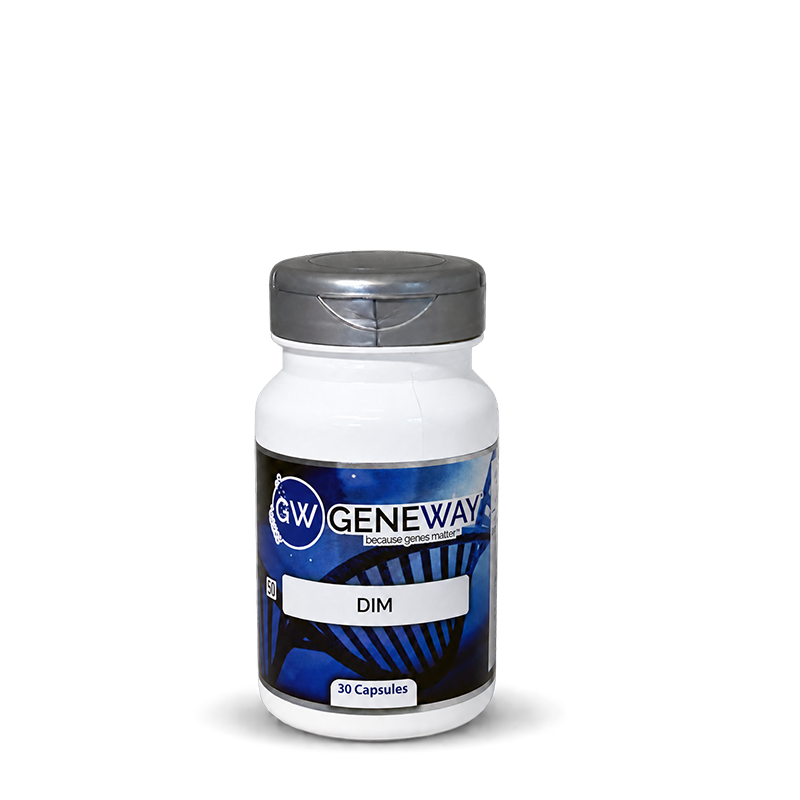
DIM (diindolylmethane) supports healthy oestrogen metabolism and hormone metabolism pathways.
Best For
Healthy oestrogen metabolism
Hormone balance
Detoxification pathways
Cellular protection
Why It Works
Targets the pathways that influence how oestrogen is processed — not just hormone levels themselves.
How It Works
DIM (diindolylmethane) is a bioactive compound formed from indole-3-carbinol (I3C), which is found in cruciferous vegetables such as broccoli, Brussels sprouts, cabbage and cauliflower.
DIM supports oestrogen metabolism by favouring pathways that promote a more favourable oestrogen metabolite balance. It also influences androgen–oestrogen balance and hormone signalling.
Ingredients (Per Capsule):
DIM (diindolylmethane) 100mg
No trans fats, gluten, yeast, milk derivatives, sugar, artificial colourants and flavourings. Other Ingredients: Corn Starch, Bovine Gelatin Capsule
BPA-free container
Directions:
Take one capsule daily with food, or as directed by your health care practitioner.
Not recommended for use in children.
Your genetic profile can provide insights into your oestrogen metabolism and detoxification pathways.
DIM supports the body’s natural processing of oestrogen, influencing how oestrogen is broken down into different forms. It may help promote a more favourable balance of oestrogen metabolites and may also modulate androgen-receptor signalling.
Is DIM suitable for both men and women?
Yes. Oestrogen metabolism is important in both men and women. DIM supports the body’s natural processing and elimination of oestrogen and helps promote a more favourable balance of oestrogen metabolites.
Why take DIM if I already eat vegetables?
Cruciferous vegetables such as broccoli, kale and cauliflower contain compounds that the body can use to produce DIM. However, the amount of DIM produced from food can vary, and cooking can reduce the availability of some of these compounds.
Geneway DIM provides a standardised 100 mg of DIM in one convenient capsule, making it easier to get a consistent amount without relying on how much cruciferous vegetables you eat or how they are prepared.
How does DIM relate to my genetic profile?
Your genes influence enzymes involved in how your body processes hormones and other compounds. Your genetic profile can provide insights into factors involved in hormone (oestrogen) metabolism and detoxification, which may help inform a more personalised approach to nutritional support.